
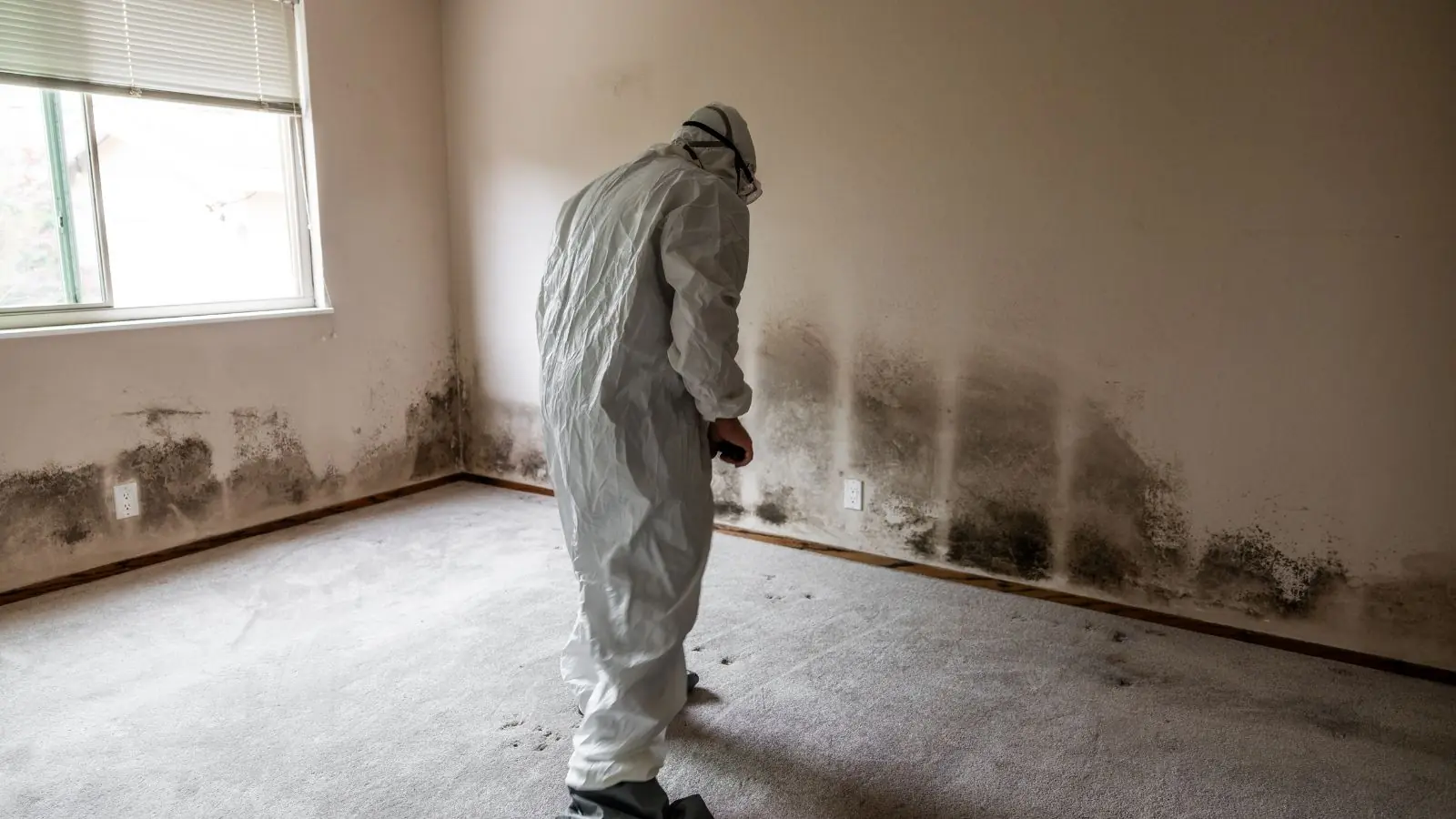
Measure the patch and find the water first
Before you buy a spray bottle, grab a tape measure. The EPA uses about 10 square feet as its rough line, which is a patch around 3 feet by 3 feet. Smaller than that, a household can usually handle it. Larger, or tied to significant water damage, and the EPA points readers to guidance written for professionals.
Then hunt for the moisture, because mold needs it to grow. Typical culprits in a basement include a damp corner under a window well, a rim joist sweating above a cold slab and a drip under a utility sink. A dryer vent that ends inside the house is another, as is a cardboard box that sat against an exterior wall all winter. The EPA says plainly that the key to mold control is moisture control.
A quick test helps when you cannot tell where the damp is coming from. Tape a square of plastic wrap to the wall for a day or two. Droplets on the room side of the plastic point to humid room air, while moisture trapped underneath points to the wall itself or whatever is behind it.
Stop and reassess if any of this is true
The patch is larger than about 10 square feet, the water came from a sewer or drain backup, you smell mustiness but cannot find the source, or the growth sits on or near the furnace and ductwork. Those situations call for a professional look, not a spray bottle.
Gear and setup for cleaning day
Set up the room before you disturb anything. Open a window if you have one and run a box fan facing out so air leaves the house instead of drifting upstairs. Hang plastic sheeting over the stairway door and tape the edges, then turn off the furnace fan so it is not pulling basement air through the ducts.
General practice for a small cleanup is to wear the following. None of this is medical advice, and anyone with health concerns should talk to a physician first.
- An N95-type respirator that fits your face, not a loose dust mask
- Rubber or nitrile gloves that reach past the wrist
- Eye protection with a sealed edge, such as goggles
- Old clothes you can wash right away, plus shoe covers or boots you can rinse
Avoid dry brushing or sweeping dry growth. Dry agitation puts material into the air, so keep surfaces lightly damp while you work.
Sort it: toss the porous stuff, scrub the hard stuff
Porous materials soak water and hold it, which is why mold roots into them. The EPA notes that absorbent items like ceiling tiles and carpet may have to be thrown away if they become moldy. Hard, sealed surfaces can usually be cleaned.
Throw away
Carpet pad, carpet that has grown mold on its backing, ceiling tile, cardboard boxes, paper files, and moldy upholstered furniture.
Usually cut out
Drywall and insulation where growth has gone through the paper face or the board feels soft. Cut at least a foot past the visible edge.
Usually scrub
Concrete, sealed wood framing, tile, glass, metal, and hard plastic storage bins.
Ask first
Photos, books, and keepsakes. Some can be dried and cleaned, others cannot, and a restoration crew can advise.
Picture a finished basement with carpet over a pad along an exterior wall that stayed damp for weeks. Pull back one corner and look at the underside. If the pad has dark fuzzy spots or smells sour, the whole run along that wall comes out, and the tack strip and the bottom of the drywall deserve a close look too.
Bag everything in thick plastic, double-bag soft debris, and wipe the outside of each bag before you carry it out. Take the shortest route to the exit so you do not drag debris through clean rooms.
Scrubbing a hard surface, step by step
Mist lightly
A damp surface keeps growth from lifting into the air. Use plain water in a spray bottle and do not soak the area.
Scrub with detergent and water
Use a stiff brush on concrete or framing and a rag on smooth surfaces. Work from the cleaner edge toward the center, and change rags often.
Wipe with clean water
Rinse the area with a fresh damp cloth to lift soap and loosened debris, and bag the cloths when you finish.
Dry it fast
Point a fan at the wall and run a dehumidifier. Do not leave the surface damp overnight.
The EPA home guide describes detergent and water for this job, and you do not need to mix chemicals. Never combine bleach with ammonia or other cleaners, since the fumes are dangerous. Do not paint or caulk over a surface that still has growth on it, because the coating traps the problem and it tends to peel.
Dry everything and keep checking
The EPA advises drying water-damaged areas and items within 24 to 48 hours. In a basement that usually means a dehumidifier and a fan running continuously, with furniture pulled a few inches off the walls so air can move behind it. A moisture meter, which many hardware stores sell, tells you whether framing and drywall are actually dry instead of just feeling dry.
Check the spot again after a week and again after a month. If growth reappears, the moisture source is still active or the area was not fully dried. Cleaning without fixing the water problem means the mold will most likely return, so go back to the source before you do any more scrubbing.
Hold off on rebuilding until framing and concrete read dry. Putting new drywall over a damp wall just feeds the next problem.
When a basement mold job is no longer DIY
Some situations should go to professionals from the start. The EPA recommends hiring a professional for sewage or other contaminated water and for suspected hidden mold. Equipment matters too: moisture meters, thermal imaging cameras, and HEPA air scrubbers help a crew find and contain what a homeowner cannot see.
- Growth covers more than about 10 square feet or spans several walls
- A musty smell lingers but you cannot find the source
- The water came from a sewer or drain backup
- The furnace, ducts, or air handler are involved
- Wet drywall has been in place for more than a couple of days
Not sure which side of the line you are on?
Call (385) 988-9410 and describe the patch. We will help you decide whether to keep going yourself.
If the basement also had a recent leak or flood, a water damage cleanup visit can dry the structure while the mold work is planned. We also work with homeowners in Sandy and South Jordan who have the same questions about older basements.
For active leaks that are feeding the problem, emergency water removal stops the supply of moisture first. Without that step, even a professional cleanup is only temporary.
Guidance worth knowing
The EPA's guidance on mold in the home says moisture control is the key to mold control, and that wet materials should be dried within 24 to 48 hours. For professional work, the ANSI/IICRC S520 standard covers mold remediation.
Draper basements: sewer backups and permits
Sewer service in Draper comes from Jordan Basin Improvement District, which was renamed from South Valley Sewer District in June 2024. If your basement growth follows a drain backup, treat the whole area as contaminated and call the district about the line while a restoration crew deals with the structure. A bleach wipe-down is not the right response to sewage.
Draper handles building permits through its online portal at draper.onlama.com, with categories that include Remodel/Alteration, Plumbing, and Electrical. If mold forces you to cut out drywall and rebuild a basement wall, the city's page does not state when a permit is required, so ask Draper City Hall before you close walls back up.
Sources: Jordan Basin Improvement District history, Draper City building permits, EPA: Mold cleanup in your home
Common questions
Can I remove mold from a basement wall myself?
If the patch is smaller than about 10 square feet and the water source is fixed, many households handle it with detergent, water, gloves, eye protection, and a fitted respirator. Larger areas, sewage, or suspected hidden mold call for a professional.
Should I use bleach on basement mold?
The EPA home guide describes scrubbing with detergent and water. Never mix bleach with ammonia or other cleaners. Whatever you use, the real fix is stopping the moisture.
Why did the mold come back after I cleaned it?
Usually the area stayed damp or the source was never fixed. Look for plumbing drips, condensation, window well leaks, and porous materials that were left in place.
What about a Draper basement that backed up from the sewer line?
Call Jordan Basin Improvement District about the line, and treat the affected materials as contaminated. Sewage is one of the cases where the EPA recommends bringing in a professional.
Does homeowners insurance cover mold removal?
It depends on your policy and on what caused the moisture. Sudden and accidental water damage is often covered, while gradual leaks and neglect often are not. Check your policy and ask your insurer before you start.