
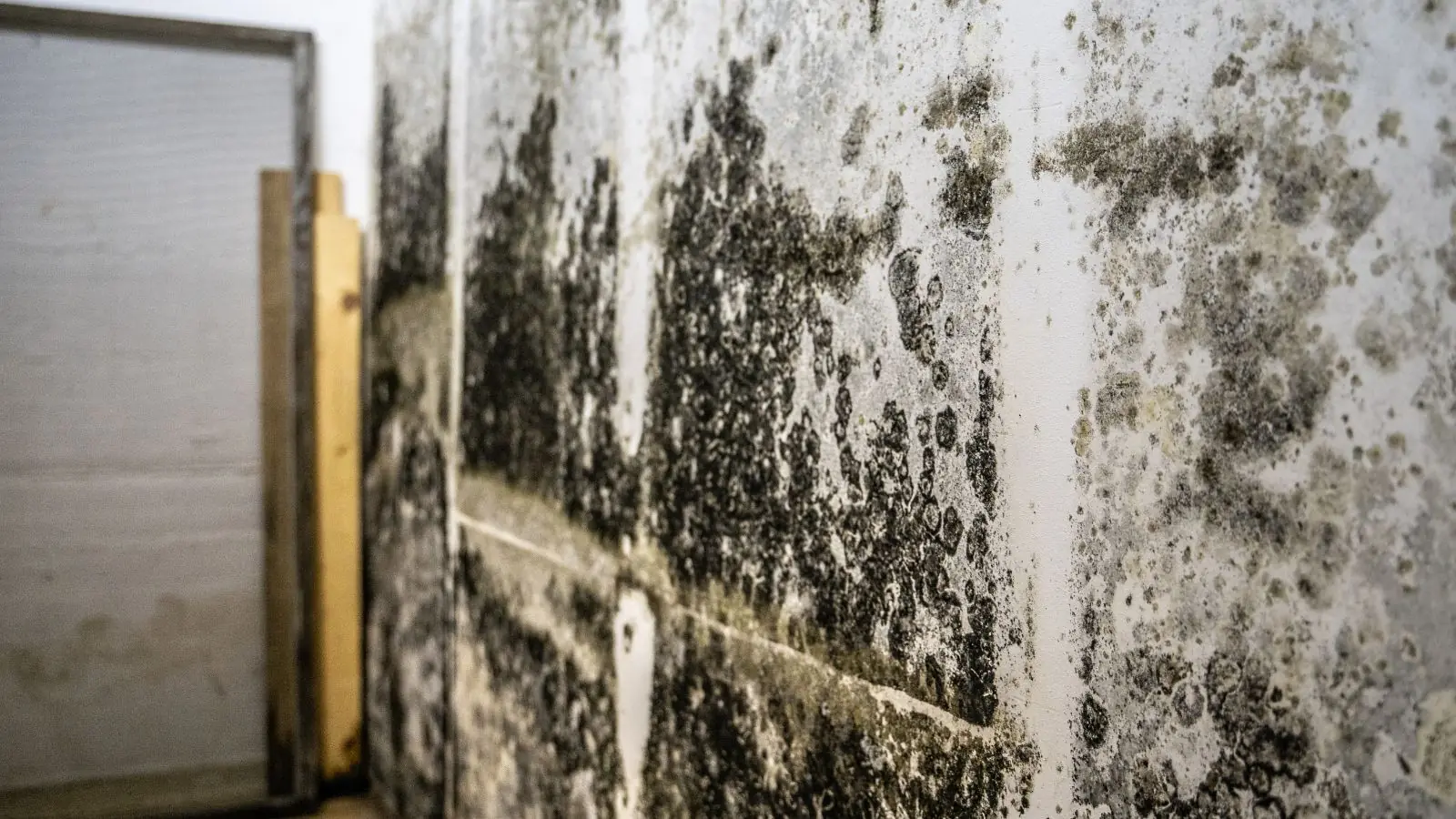
Why cleaning alone keeps failing
A common pattern goes like this. Someone sees black spots in a basement corner, wipes them off, and feels relieved. Six weeks later the spots are back, because the wall was never dry. The EPA says the key to mold control is moisture control, and that cleaning mold without fixing the water problem means it will most likely return.
So treat the work in two parts. Part one is removing existing growth, which the mold remediation page and a DIY guide cover. Part two is making the basement a place where mold has less to work with, and that part is what this article is about. Doing part two well lowers the chance of a repeat, though no one can promise growth will never show up again.
Mold needs moisture, an organic food source such as drywall paper, wood or dust, and time. You cannot remove the food source from a finished basement, so water is the lever you control.
Humidity: measure it before you guess
A hygrometer is a small gauge that reads relative humidity, and a basic digital one is inexpensive. Put one in the lowest, coolest corner of the basement and another near the stairs, then watch the numbers for a week. Many guides suggest keeping indoor humidity below roughly 50 percent, but treat that as a rule of thumb, not a pass-fail test.
Watch the trend more than any single reading. If humidity jumps after a shower upstairs or after laundry, ventilation is the issue. If it stays high on cool, dry days, look for moisture coming through the slab or walls.
Running a dehumidifier well
- Size it for the space. A unit rated for a small bedroom will run nonstop in a 1,000 square foot basement and still lose.
- Keep doors between rooms open so air circulates, and leave a foot of clearance around the intake.
- Drain by hose to a floor drain or sump instead of relying on a bucket you forget to empty.
- Clean the filter monthly and check the coils for frost in winter.
- Log the humidity weekly. A dehumidifier that runs constantly with no change is a clue that water is entering.
Dehumidifiers manage the air, but they do not fix leaks. If the unit fills its tank in a day or two every day, find out where the water is coming from.
Start outside: gutters, grading and window wells
Most basement water begins outdoors, so start at the roofline and follow the water down.
Gutters and downspouts
Clear gutters before fall and spring. Extend each downspout several feet from the foundation, using extensions or buried drain pipe that exits away from the house.
Grading
Soil next to the foundation should slope away from the house. A settled bed that now tilts toward the wall will drain rainfall to your basement.
Window wells
Keep them clear of leaves and dirt, make sure any drain at the bottom is open, and consider a clear cover that sheds water.
Sprinklers and beds
Aim heads away from the wall. Irrigation that soaks the same strip of soil all summer can leave a basement wall damp.
Picture a window well that overflowed during a hard storm. The well filled with debris, the bottom drain was packed with silt, and the water rose until it ran over the sill and soaked the carpet beneath. A ten-minute spring cleaning, plus a cover, would likely have kept most of it out.
Inside the house: sump pumps, condensation and pipes
Check the sump pump
- Pour a bucket of water into the pit and watch the float rise and the pump kick on.
- Confirm the discharge line carries water outside and does not freeze or clog.
- Test the backup, whether a battery unit or a water-powered one, if you have it.
- Listen for grinding or short cycling and replace the pump at the first sign.
Picture a sump pump that tripped a breaker during a storm while the household was away. By the time anyone noticed, an inch of water had spread over a utility room. A pump on its own circuit, and a battery backup, would have changed that story.
Condensation on cold surfaces
Cold walls and cold water pipes sweat when warm humid air meets them. You will see damp patches on foundation walls in summer, drops on uninsulated pipes, and a damp rim joist. Insulating cold water pipes and running a dehumidifier in humid months addresses most of it.
Also check the plumbing you can see. Look under the utility sink, around the water heater, and at the washing machine hoses. A slow drip on a Monday can become a ruined wall by the weekend, and a plumber or a water damage repair visit will handle the line and the wall.
Storage and habits that quietly add moisture
A basement can look dry and still be a good place for mold if the habits are wrong. Cardboard boxes absorb humidity and sit as a food source right at the wall. Switching to plastic bins with lids and moving them four to six inches from exterior walls gives air a path.
- Vent the dryer to the outdoors and check the hose for lint and gaps.
- Run the bathroom fan during and after showers.
- Do not hang wet laundry to dry in the basement.
- Keep a shelf or pallet under items stored on the floor.
- Look behind furniture once a season for dark spots or a damp smell.
If you have already had a leak or flood, speed matters. The EPA advises drying water-damaged areas and items within 24 to 48 hours. A basement that stays wet longer than that is at higher risk, which is why emergency water removal is worth calling early.
A seasonal moisture checklist
A simple routine keeps the basement from drifting back into trouble.
Spring
Test the sump pump, clear window wells, and inspect the soil next to the foundation for settling after winter.
Summer
Watch humidity after storms and laundry days, and inspect cold pipes and the rim joist for condensation.
Fall
Clean gutters, disconnect and drain outdoor hoses, and make sure downspouts still discharge away from the house.
Winter
Check for ice-blocked discharge lines and watch for melt water pooling against the wall.
Moisture keeps coming back?
Call (385) 988-9410. A crew with moisture meters and thermal imaging can help trace the source.
We help homeowners in Riverton and Herriman track down the same basement moisture patterns, and the steps above apply there as well.
Guidance worth knowing
The EPA's guidance on mold in the home says moisture control is the key to mold control, and that wet materials should be dried within 24 to 48 hours. For professional work, the ANSI/IICRC S520 standard covers mold remediation.
Draper weather and irrigation habits that reach the basement
On August 3, 2023, monsoon thunderstorms prompted Draper's mayor to declare a state of emergency, and the mayor said a little over 2 inches fell in more than an hour. Homes were flooded with mud and debris. That kind of burst is why downspout extensions, clear window wells, and a tested sump pump matter, because gutters and drains sized for ordinary rain can be overrun.
Pressurized irrigation in Draper is not a city service. WaterPro / Draper Irrigation Co. provides it, typically on around April 15 and off around October 15. From mid-April on, watch for sprinkler heads aimed at your foundation, since that season is when a damp basement wall often starts. Salt Lake City station normals show April as the wettest month, so spring is also when grading and window wells get their toughest test.
Sources: Deseret News: Aug 3, 2023 storm and state of emergency, Draper City water and storm water, EPA: A brief guide to mold, moisture and your home
Common questions
What humidity level should a basement stay at?
Many guides suggest keeping indoor humidity below roughly 50 percent. Treat that as a rule of thumb and watch the trend on a hygrometer. If readings stay high, look for a water source.
Will a dehumidifier get rid of mold by itself?
No. It lowers humidity in the air, but it does not remove growth that is already there and does not fix a leak. Use it with cleanup and source repair.
Can I stop mold from ever coming back?
No one can promise that. Controlling moisture lowers the chance, and quick drying after any leak helps most.
When should I turn on the sprinklers in Draper, and does it matter for my basement?
Secondary water from WaterPro / Draper Irrigation Co. typically runs from about April 15 to October 15. Aim heads away from the foundation, and check basement walls for damp spots a few weeks after the season starts.
Why is my basement wall wet only in summer?
That pattern often points to condensation, where warm humid air meets a cold concrete wall. A hygrometer and a dehumidifier help, and a pro can check with a moisture meter if you are unsure.