
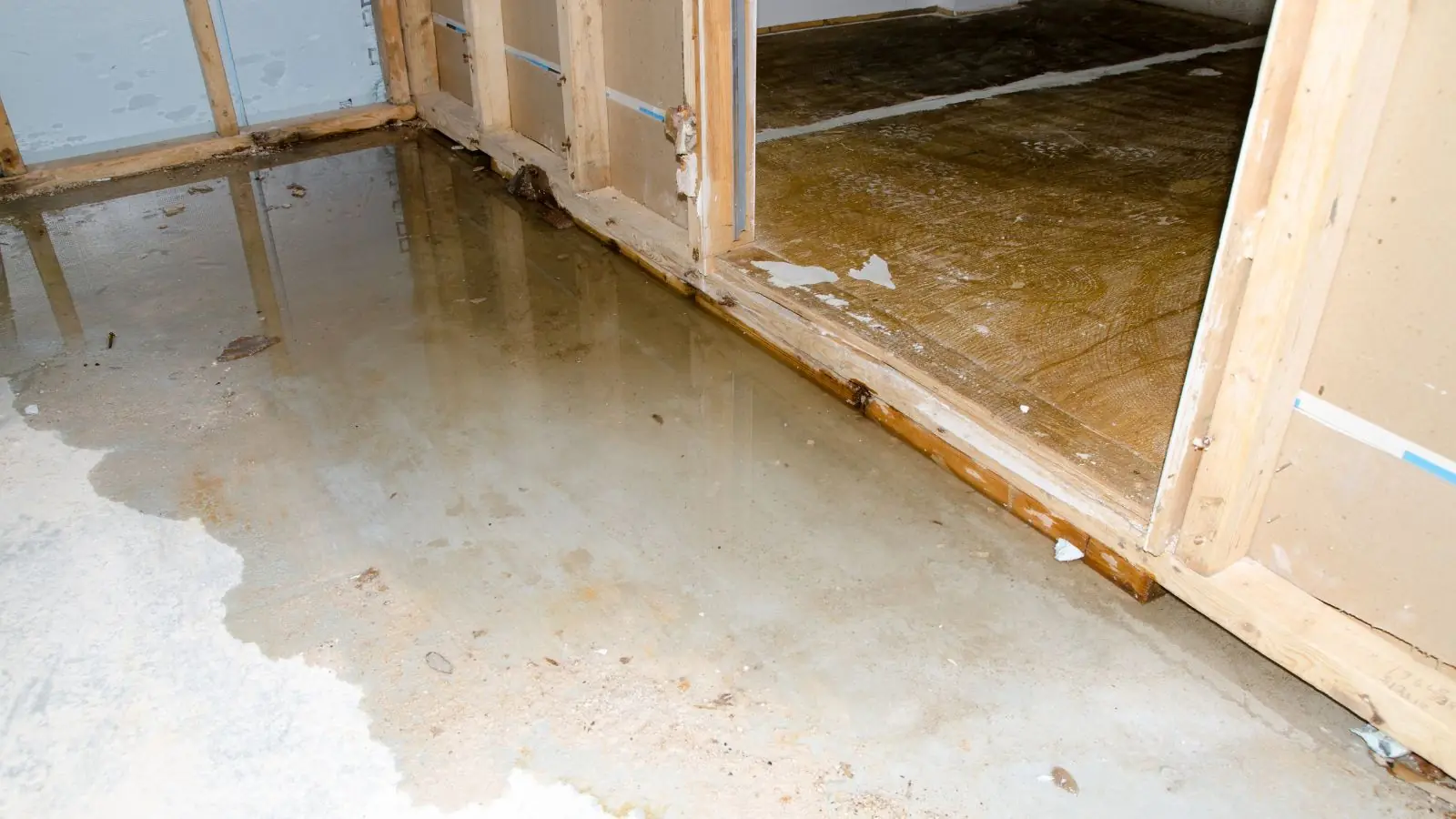
Step 1: Name the water before anyone touches it
Restoration decisions start with where the water came from. The published ANSI/IICRC S500 standard for water damage restoration uses three categories: category 1 (clean, such as a supply line), category 2 (gray, such as a washing machine overflow), and category 3 (black, such as sewage or ground-level flooding). The category drives which materials can be saved.
Time matters because water can move up a category as it sits. A supply-line break that drained into carpet is clean on day one, but after a couple of days of warm, wet carpet the category may be treated differently. This is one reason crews photograph, test, and document before they start pulling things apart.
You can ask any company whether its crews work to S500. If you want the cleanup basics for the first couple of days, our water damage cleanup page walks through them.
Step 2: Extraction and the first inspection
Standing water comes out first, using pumps and extraction units, followed by a weighted wand or extractor on carpet. Pulling water mechanically is far faster than evaporating it, which is why extraction comes before any fans.
Next comes the inspection with a moisture meter and a thermal imaging camera. A thermal camera cannot see water, but it can show cooler patches where evaporation is happening, which tells the tech where to probe with the meter. In a finished basement, those cool streaks often climb well above the visible waterline.
Why the waterline lies
Drywall wicks water upward like a paper towel. A two-inch flood can leave wall cavities wet at 12 to 24 inches, with insulation soaked behind paint that looks fine.
Step 3: What gets removed and why
Removal is the part homeowners dread, but it is what lets the rest dry. Carpet pad is nearly always discarded because it is a sponge that is hard to dry in place. Carpet itself may be saved when the water was clean and caught quickly.
A flood cut is a horizontal cut through the drywall, usually 2 feet above the highest wet reading, so crews can open the wall cavity. Wet insulation comes out because it traps moisture against the framing and holds it. Baseboard comes off and is often reused.
The table below shows the usual decisions. These are general patterns, not promises, and the category of water can change them.
| Material | Usual decision | Why |
|---|---|---|
| Carpet pad | Remove and replace | Foam and rebond absorb water and are hard to dry in place |
| Carpet | Dry in place if clean water and caught fast, otherwise replace | Category 2 or 3 water usually means removal |
| Drywall | Flood cut above the wet line, replace the cut section | Wicks upward, paper face feeds mold if left wet |
| Insulation (batt) | Remove and replace | Holds water against framing |
| Laminate flooring | Usually replace | Swells at the seams when wet and rarely lies flat again |
| Concrete slab | Dry in place | Dense, drains slowly, needs dehumidification |
| Wood framing | Dry in place and monitor | Solid lumber dries well if it is opened up |
A sealed concrete slab does not need to be replaced, but it is a long drying job. Plan on dehumidifiers running well after the surface feels dry.
Step 4: Drying with air movers and LGR dehumidifiers
Drying is controlled evaporation. Air movers blow air across wet surfaces to pull moisture into the room air, and LGR (low grain refrigerant) dehumidifiers pull that moisture out of the air so it is not simply redistributed. A crew sets this up as a closed system, with doors and windows shut.
In a finished basement, that might mean air movers along each wall, a pair of LGR units near the stairs, and drying mats or injection ports for hard-to-reach wall cavities. The equipment is loud and uses power, so expect a few days of noise.
Set the equipment
Air movers go every few feet along wet walls and across the floor, aimed to create a circular airflow in the room.
Close the space
Keep the basement sealed so the dehumidifiers work against the wet materials, not outdoor air.
Check daily
Technicians return to log temperature, humidity and moisture readings and move equipment as areas dry.
Pull equipment on proof
Gear leaves when readings reach the dry standard for that material, not on a guessed schedule.
Step 5: Moisture mapping and the dry standard
Moisture mapping means recording meter readings in a grid on every affected wall and floor, then repeating it daily. The numbers show whether the drying is working or whether a pocket is stalling. A reading on the structure of an unaffected wall in the same house gives the dry goal for that material.
Without a map, a basement can feel dry on day three while the bottom plate of a wall is still wet. That bottom plate is where mold often starts later. The EPA's 24 to 48 hour drying guidance is the clock behind the mapping and the extra equipment.
Step 6: Rebuild decisions and your insurance
Once the structure is dry, you decide what to rebuild. Some owners put back the same layout, others take the chance to replace carpet with a moisture-tolerant floor or raise cabinets off the slab. If walls were cut out, that is also the moment to improve insulation and consider where the next leak would go.
On insurance, keep it general. Sudden and accidental water damage is often covered by homeowners policies, gradual leaks and neglect often are not, and flood usually needs separate flood coverage. Check your policy and ask your insurer, and keep your photos, moisture logs and invoices together.
Basement wet right now?
Call (385) 988-9410. Scope and price are explained before work starts, and we offer same-day response when available.
We work with homeowners in Sandy and Alpine who face the same wet-basement sequence, and a crew can start with emergency water removal if water is still standing.
Draper insurance and flood details that change restoration
The Utah Insurance Department notes that standard homeowners and renters policies do not cover flood losses, including post-wildfire mudflows. Flood coverage must be bought separately, and the standard NFIP waiting period is 30 days. So if your basement took in ground-level water, call your agent early to see which kind of policy applies, instead of assuming the claim will follow the usual path.
NFIP basement coverage is limited. It covers items like furnaces, water heaters, sump pumps, electrical boxes and foundation elements, but not finished drywall, paint, flooring, built-in cabinets or personal items. For a finished Draper basement, that gap means the rebuild budget may come out of pocket, so document everything and ask your insurer what is and is not covered before you choose finishes.
After Draper's August 3, 2023 monsoon storm, homes were flooded with mud and debris. Mud-borne water is treated as contaminated, which pushes affected drywall, insulation and carpet toward removal rather than cleaning.
Sources: Utah Insurance Department flood FAQ, Deseret News: Aug 3, 2023 Draper storm, EPA: A brief guide to mold, moisture and your home
Common questions
How long does basement water restoration take?
Extraction is usually a day, and drying often takes several days depending on materials and how much water got in. The time is decided by meter readings, not the calendar. Rebuilding afterward is a separate phase.
Why do they cut the drywall off the bottom of my walls?
Drywall wicks water above the visible line, and insulation behind it holds moisture against the framing. A flood cut opens the cavity so it can dry and be inspected.
Can wet carpet be saved?
Sometimes, if the water was clean and the carpet is extracted and dried quickly. The pad is usually replaced either way, and gray or black water generally means carpet removal.
Does flood insurance cover my finished Draper basement?
Often not much of it. NFIP basement coverage is limited and excludes finished drywall, paint, flooring and built-in cabinets, and a standard homeowners policy does not cover flood. Check your policy and ask your insurer.
Is drying equipment safe to run in my basement?
Crews place it with cords and loads in mind, and they check it daily. Let the crew know about any breaker that trips, since a basement circuit can be overloaded by multiple units.